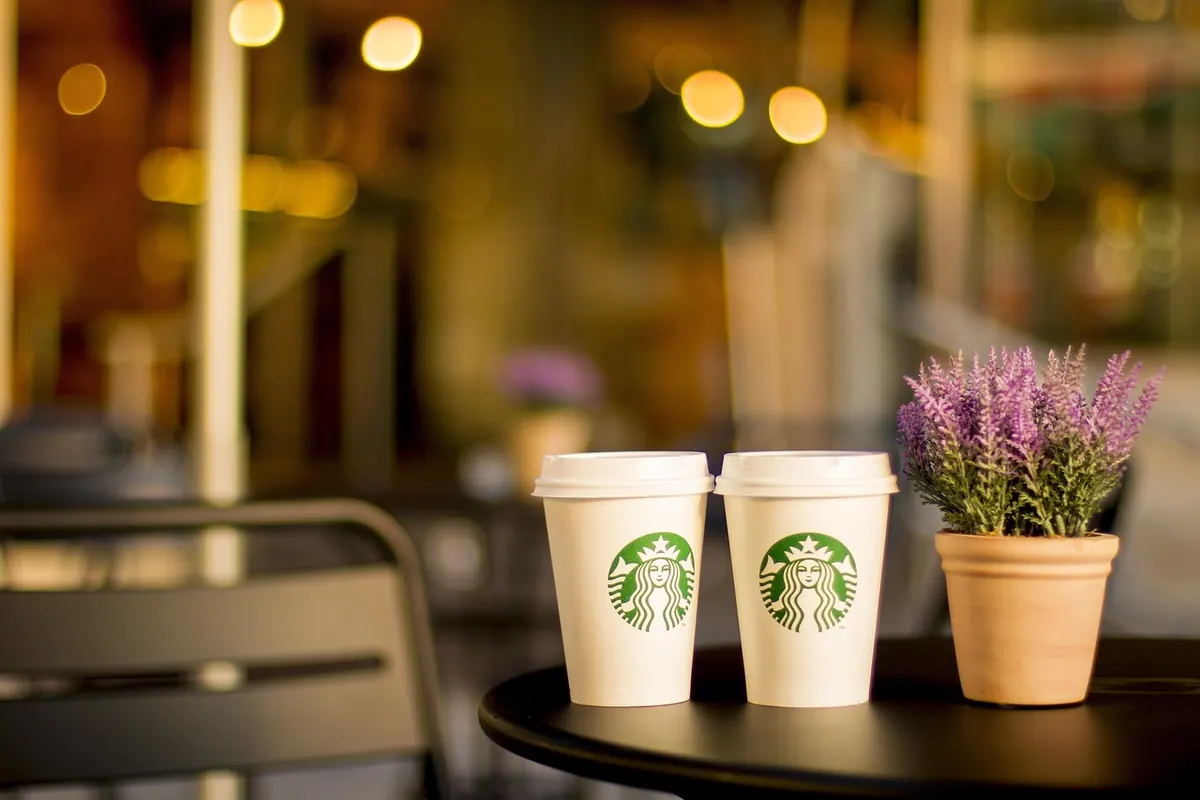
Two small cups, both dark, both strong, and almost nothing else in common. In Rome you drink an espresso standing at a zinc counter with one eye on the clock; in Istanbul you sit for an hour, order your coffee by its sweetness, and wait for the grounds to settle before the first sip. Neither tradition is better. They simply arrange the same three ingredients — coffee, water, other people — into two very different ideas about time.
The Room Itself
An Italian espresso bar is built for velocity. You will usually find a marble or steel counter, a mirror behind it, a glass case of cornetti and tramezzini, and a gleaming machine that hisses like a small steam engine. There may be a television muttering in the corner, a radio, a few stools, and a cluster of regulars who have been ordering the same thing since before you were born. Nobody is there to linger. The bar is a punctuation mark between the pharmacy, the office and the school run.
A Turkish coffeehouse — the traditional kahvehane — is built for duration. Think wooden chairs, small tables, backgammon boards mid-game, trays of tea moving between them, and conversation loud enough to be a form of architecture. The room is not a stop along the way; the room is the destination. In some traditional places tea in tulip-shaped glasses does most of the work, and coffee is ordered more deliberately, as a treat or a marker of a serious conversation. In either case, the clock is decorative.
Ordering in Italy: Five Steps That Work Anywhere
The Italian system is efficient but not always obvious to a first-timer, because payment and ordering can happen in either order. Watch the room for ten seconds before you act.
- Find the register. Many bars have a cassa where you pay first and hand the receipt to the barista. Others take your order at the counter and you pay on the way out. Look at what the person ahead of you does.
- Say "un caffè". That is an espresso. Ordering "a coffee" and expecting a mug of filter brew will get you a very small, very strong cup and a slightly puzzled look.
- Adjust with one word. Macchiato for a stain of milk, ristretto for shorter and more intense, lungo for longer, corretto for a splash of grappa, al vetro for a glass instead of ceramic, freddo in summer.
- Drink at the counter. Sitting at a table often costs more. This is not a tourist trap; it is a two-tier price system that locals use without thinking about it.
- Mind the hour. A cappuccino is a morning thing. After a meal, the default is a plain espresso — and in the afternoon, many Italians would rather have another espresso than milk.
Ordering in a Turkish Coffeehouse
In Turkey, the coffee is decided before it is made, because the sugar goes into the pot rather than onto the table. You will be asked — or expected to volunteer — whether you want it sade (no sugar), orta (medium) or şekerli (sweet). This is not a detail you can fix later. The finely ground coffee is simmered in a small long-handled pot called a cezve (elsewhere, an ibrik), sometimes on hot sand, and poured into a small cup — the fincan — foam first if the maker is skilled.
Then the pace changes. A glass of water usually arrives before the coffee, and it is not there for decoration: sip it to clear your palate before the first taste. The coffee is hot, unfiltered and settles as it stands, so giving it a minute is practical as well as polite. It is served with something sweet alongside, often a piece of Turkish delight or a sugar lump. If your host offers, accept something. Refusing everything can read as distance rather than modesty.
Perch or Armchair: Where You Sit Changes Everything
The seating tells you what the establishment expects of you. Standing at an Italian counter is a mild declaration of intent: I am here for three minutes and I am enjoying them. Leaning on the bar with an elbow, reading the sports pages over someone's shoulder, exchanging two sentences with the barista — that is the whole experience, and it is complete.
In a coffeehouse, sitting down is the beginning of an appointment you did not know you had. Chairs are arranged for facing people, not for watching a screen. In traditional kahvehane settings, tables are shared, games are underway, and someone will eventually ask where you are from. If you sit, plan to stay long enough to be asked twice.
The Pace of the Cup
An espresso is a physical event compressed into about three sips. It is drunk hot, quickly, often while doing something else. The social life of the Italian bar happens around the cup rather than inside it: the arrival, the greeting, the two-line update on the football, the coin on the saucer, the exit. Slow sipping is not a virtue here; a cold espresso is a small tragedy.
Turkish coffee is the opposite discipline. You wait, you sip, you set the cup down, you talk. The grounds mean the last third is left behind, which gives the drink a natural ending rather than a gulp. In many circles, the emptied cup is turned over and read — a fortune-telling habit that is half game, half excuse to keep talking. You do not need to believe a word of it to enjoy being politely told you have a long journey ahead.
Etiquette: Seven Small Rules That Prevent Awkwardness
- Greet before you order in Italy. A quick "buongiorno" or "buonasera" to the person behind the bar is normal, and its absence is noticed.
- Do not camp at a busy counter. If you want to sit and read for an hour, choose a quieter bar and take a table — and expect to pay for the privilege.
- Say your sugar level at the start in Turkey. Changing your mind after the pot is poured is not really possible.
- Don't stir Turkish coffee. Stirring lifts the grounds and gives you a gritty mouthful. Let it rest.
- Leave the grounds. They are meant to stay in the cup, not to be chased with a spoon.
- Accept the water, and the sweet. Both are part of the hospitality, not an upsell.
- Check before you pay for everyone. In Turkey, an invitation is often a genuine gesture of welcome, and arguing too hard over the bill can be its own kind of rudeness.
A Practical Field Guide
If you are moving between the two traditions in the same month, here is what to hold on to. In Italy: learn "un caffè, per favore", watch where the locals queue, drink standing, and treat the whole visit as a ninety-second courtesy rather than a ceremony. In Turkey: learn "sade", "orta" and "şekerli" before you go, sit facing your companions, put your phone away, and let the conversation decide when you leave. In a traditional coffeehouse, ask before pulling up a chair to someone's backgammon table, and do not treat it as a photo opportunity; it is somebody's living room. A "merhaba" on arrival and a "teşekkürler" on the way out will carry you a long way.
What both cultures share is a low tolerance for the half-hearted. Order an espresso and then let it go cold while you answer email, and you have missed the point. Order a Turkish coffee and then drink it in three hurried gulps, and you have missed it too. The cup is small in both places. The difference is what each tradition fills the rest of the hour with.
Photo: Pexels / Pixabay