Most trips begin with a place. A festival trip begins with a date, and that single change rearranges everything else: the flights, the budget, the neighbourhood you sleep in, even what you pack. A festival is not an attraction you slot into a free afternoon. For a few days it takes over a town's streets, its hotel rooms, its buses and its mood. Get the planning right and you spend a week inside the life of a place rather than watching it through a bus window. Get it wrong and you arrive the morning after the procession, in a town already sweeping up the confetti.
Start with the calendar, not the map
Before you look at flights, confirm the dates for the exact year you plan to travel. This sounds obvious until you discover that half the festivals worth travelling for do not sit on fixed dates. Anything tied to a lunar or religious calendar moves: Easter and everything built around it, Ramadan and Eid, Diwali, Lunar New Year, the many processions that follow the Orthodox or Buddhist calendars. Others are announced only a few months ahead by a local committee, a parish or a neighbourhood association.
Then read the programme properly. Most famous festivals are not one event but a week of them with two or three peaks. Kyoto's Gion Matsuri fills the whole of July, but the processions that draw crowds fall on two specific days. Siena runs the Palio twice, in July and August. Seville's Feria runs late into the night for a week, and the first night is nothing like the last.
Two consequences follow. Book your arrival at least a full day before the main event, so a delayed flight cannot cost you the thing you came for. And check what happens the day after: in many places the town deflates, restaurants close, and the museum you saved for the end is shut. Build that flat day into the plan rather than discovering it.
Tickets: know what is sold, what is free, and what is reserved
Festivals split roughly into three kinds, and mixing them up wastes money. Some are entirely free and unticketed, spreading across public streets with no gate at all. Some are free to watch but need registration, a wristband, or a seat you reserve weeks in advance. Others are ticketed in tiers, with prices that climb as the date approaches.
Beware of the fourth category: the package. Resellers bundle a ticket with a "traditional dinner" and a transfer at a large markup, and the dinner is often in a restaurant you could have booked yourself for less. Where a festival has an official ticket page, use it, and check that the page is dated for the current year rather than last year's edition.
A short list to work through before you pay for anything:
- Which sessions need a ticket? A festival pass may not cover the headline night, and standing places are often sold separately from seats.
- How do you get in? Some events use ballots or lotteries with registration windows that close quietly months ahead.
- Can you leave and come back? Re-entry rules matter if the event runs all day and you need food or a rest.
- What is the refund policy? Outdoor festivals cancel for weather, and the terms vary wildly.
- Is there step-free access? Ask before you buy if anyone in your group needs it; old towns are not generous.
Book the bed before the seat
Accommodation is where festival trips are won or lost. In small towns hosting a famous event, rooms sell out months ahead and prices multiply; in some places, hotels impose minimum stays or demand prepayment. Book early, and book a rate you can cancel, because your dates may shift once the programme is confirmed.
Aim to sleep within walking distance of the action if you can afford it. This is not laziness. Roads close, buses reroute, taxis become scarce or expensive exactly when everyone wants one, and the last train out can leave before the final procession ends. Staying close means you can walk home at two in the morning with a few hundred other people, which is half the pleasure.
If local prices are absurd, look one town along a reliable train or bus line and check the timetable for the hours that actually matter, not the ones that look convenient on a map. And confirm the practical things in writing: late check-in, luggage storage on the day you leave, and whether the street outside will be closed to cars.
Shape each day around one anchor
Festival days are physically expensive. Heat, standing, crowds, noise, irregular meals and late nights add up faster than most people expect. Rather than filling the itinerary, give each day one anchor: a procession, a concert, a market, a specific neighbourhood. Everything else is optional.
If the big event is at night, use the afternoon to rest. A nap is not a wasted afternoon; it is what lets you stay until the end. Keep the day after arrival light, since travel and queueing will have taken more out of you than you think. And leave one blank day in any trip longer than a week, so a cancelled event or a sudden invitation from someone you meet does not derail the rest.
Learn the etiquette before you land
Many festivals are, at heart, religious or family occasions that happen to be spectacular. A procession carrying a statue through a village is not a parade for tourists, and the people walking in it have been doing so since childhood. Stand at the edge, leave the route clear, and do not step into a doorway to get a better angle.
Watch what locals do for ten minutes before you do anything. Where they stand, when they go quiet, whether they applaud, and what they wear will tell you more than any guidebook.
Ask before photographing faces, especially children and people at prayer. Dress for the setting, not the weather: shoulders and knees covered in churches, mosques and temples, shoes off where that is the custom, and a scarf in your bag. During solemn observances, silence and stillness are the respectful default; during carnival, almost the opposite. Carry cash for small purchases, learn please and thank you in the local language, and remember that private celebrations are private — the tent with a family name on it is not a bar.
Plan for the plan to break
Something usually goes sideways, and the people who cope best are the ones who assumed it would. Before you go, screenshot your tickets, bookings and the festival programme, and keep a paper copy of the essentials somewhere separate. Pick a meeting point in case your group separates in a crowd where the mobile signal collapses.
Have a rain plan and a sold-out plan: an indoor alternative, a smaller satellite event, a neighbourhood worth wandering while the sky clears. Note the local emergency number. Carry water and a little food during long days in the heat, and if you have a health condition that crowds, heat or standing could aggravate, speak to a medical professional before you travel rather than after.
The week before you leave
Re-check the programme, since timings shift. Confirm the first and last transport of the days you need. Pack shoes you can stand in for six hours and a layer for cool nights. Learn two phrases, save a map you can use offline, and write down your accommodation address in the local language to show a driver. Then stop planning. The point of all this preparation is to arrive with enough slack to say yes to whatever the town offers once you are there.
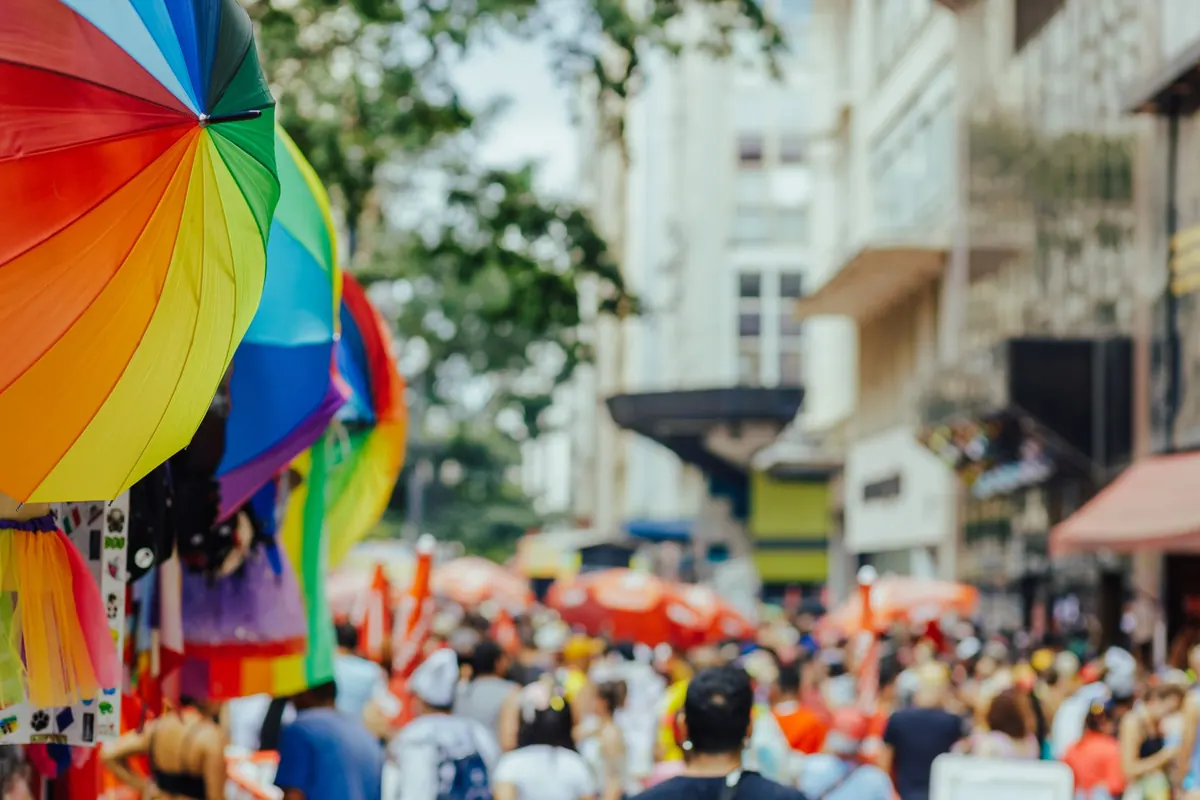
Photo: Th2city Santana / Pexels