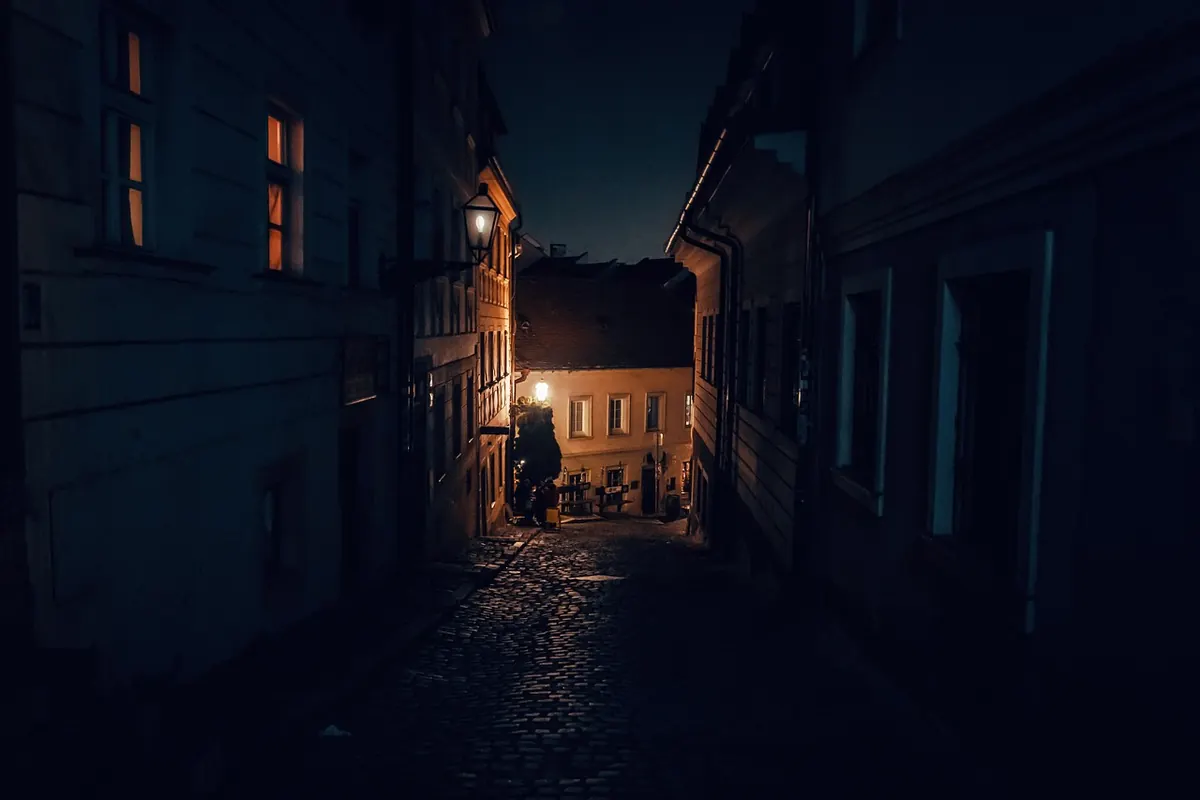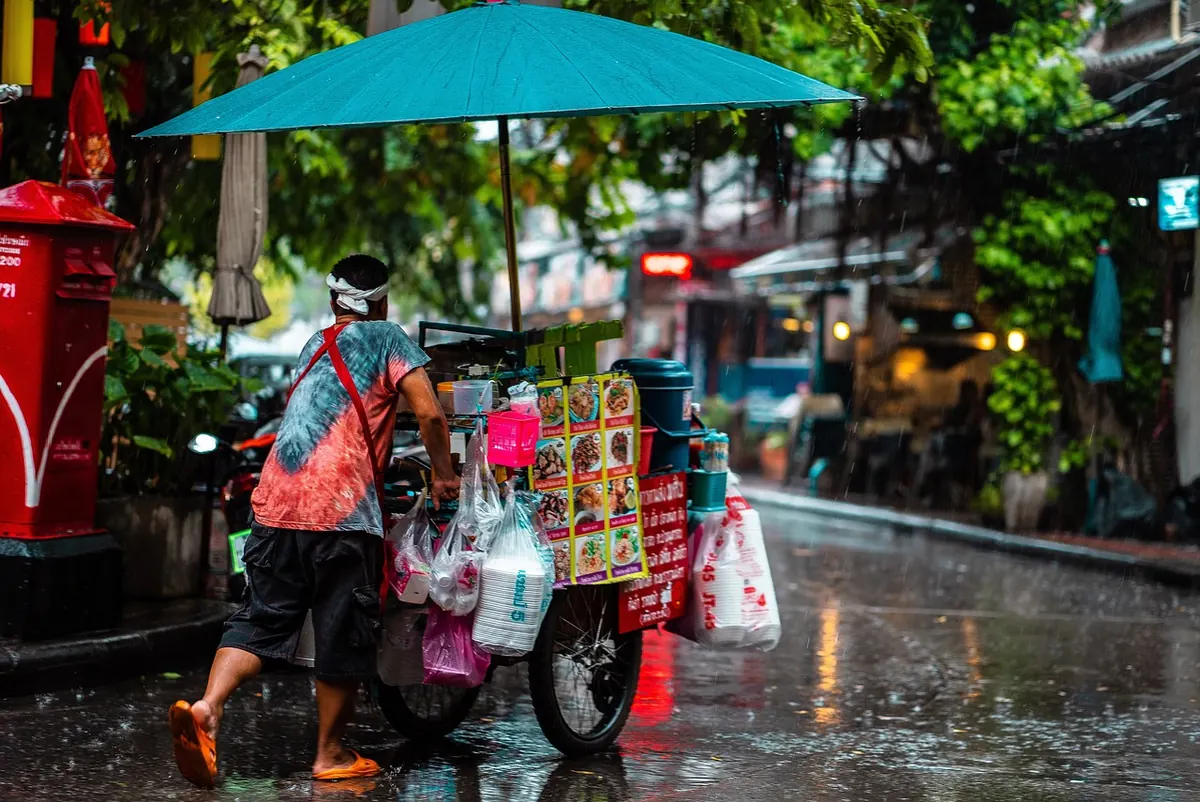
Somewhere in every good festival there is a moment when the procession turns a corner, the light falls sideways, and half the square lifts a camera at once. That is usually the moment the atmosphere changes: the people carrying the statue squint, a mother turns her child away, and the ceremony quietly becomes a backdrop. Photographing local traditions well has little to do with better equipment. It comes down to a series of small decisions — where to stand, when to ask, what to leave out of the frame — made before the shutter ever opens. What follows is a working checklist, the kind you can keep in your head while the drums are getting closer.
Ask First, Even When No One Would Notice
A crowded street on a feast day is not an open studio. People are dressed for the occasion, moving in a rhythm they learned as children, and they can tell the difference between someone who is watching and someone who is harvesting. The difference is usually one sentence: May I photograph you? Learn it in the local language if you can, and learn the words for please and thank you while you are at it. A clumsy attempt is nearly always received better than perfect English delivered at arm's length.
Consent is a conversation, not a formality. If someone agrees but adds a limit — not during the prayer, not from the front, not with the children — that limit is the whole agreement. Put the camera down and stay there; the pictures you take afterwards will be better for it. A cheerful nod from someone caught up in a parade is not the same as permission, and photographing a person from across the square after they have declined is still a no, just with more distance.
For groups, go to whoever is running things: the parish volunteer, the man with the clipboard, the woman arranging the chairs. Ask whether photography is welcome at all, and whether any part of the day is closed. If you are shooting for anything beyond your own album — an exhibition, a magazine, a client — check what the community expects and get proper advice on permissions and rights, because the rules on publishing images of people vary widely from place to place and a friendly chat is not a substitute for that.
Read the Room Before You Raise the Camera
Spend the first twenty minutes doing nothing. Watch where the locals stand. Notice which doorway everyone leaves clear, when the talking stops, whether people step back at a particular moment. That quiet observation tells you the shape of the event, and it also tells you where a photographer can stand without becoming part of it.
Good positions are almost always modest ones: the edge of the square, a low wall, a doorway behind the crowd, a kneeling crouch at the level of a child's shoulder. Bad positions are the ones that put you between a grandmother and her granddaughter, or in the path of something heavy and carried by eight people who cannot see their feet.
- Stay out of the procession line. Step aside, not backwards into the next row.
- Never climb on shrines, altars, floats, walls, or furniture. If you need height, ask before you find it.
- Don't block the view of the people who live there. They have more right to this moment than you do.
- Move in bursts, then settle. Constant circling is what makes a crowd feel watched.
- Use your feet and a longer lens rather than leaning in. A step back is often the better composition anyway.
Frame for the People, Not Just the Spectacle
The easy picture is the costume, the flame, the painted face. The better picture shows what the moment means to the people inside it. That means building a set of frames rather than chasing one hero shot.
Widen for context
Pull back far enough to include the street, the weather, the shopfronts, the kids on a balcony, the elderly neighbour watching from a plastic chair. Context is what stops a photograph from looking like it could have been taken anywhere. Ten years from now, the ordinary details will be the ones a community treasures.
Come closer for the small things
Hands holding candles. Bread being passed over a fence. A boy in a too-large uniform adjusting his sash. Shoes worn soft at the heel. These details carry the day's texture, and they rarely require anyone to perform for you.
One caution: resist the urge to make a place look older, poorer, or more mysterious than it is. Cropping out the parked cars and the modern signage to produce a timeless postcard is a small act of fiction, and the people who live there will recognise it immediately. Photograph the tradition as it is being lived, including the plastic chairs.
Learn Enough to Caption It Honestly
A photograph without context is a rumour. Ask what the event is called, who it is for, and what happens next. Write the answers down the same evening, while the names are still attached to faces you can picture. If someone tells you the procession is a vow made by a family generations ago, note who told you and say so in your caption.
Be careful with symbolism. It is tempting to declare that a candle means grief or that a colour means luck; often it means something quite specific, and sometimes it means nothing at all. If you do not know, describe what you saw instead of interpreting it.
A useful test for any caption: could a person from that village read it without wincing?
Know When to Stop Shooting
Some parts of a tradition are not for outsiders, and increasingly communities make that visible: a steward with a raised hand, a rope across a doorway, a printed sign with a camera crossed out, a note in the programme. Treat all of them as absolute.
Beyond the official signals, watch for the human ones. Grief, prayer, healing rituals, initiations, and private family moments are not improved by a long lens. If you are the only person photographing and people have started glancing at you, that is your answer. If a family is standing at a graveside, walk on. No image is worth the sentence "he wouldn't stop taking pictures" attached to a day that was not yours.
Rules inside churches, temples, mosques, and shrines vary enormously, and they can change from one week to the next. Look at the entrance, ask a caretaker, and accept that the answer may be no.
Share, Credit, and Give Something Back
Photography is a transaction even when no money changes hands, and the balance is usually tilted towards the visitor. Correct it where you can. Offer to send the pictures to the organiser, the parish office, or the person you photographed. Follow through within a fortnight; a promise of photographs that never arrives is a small betrayal that people remember.
Ask before you publish images of identifiable people, and ask specifically about anything devotional. Some communities are delighted to see their festival online; others have firm views about sacred objects appearing in strangers' feeds. Credit names when people are happy to be named. Do not sell an image of a ceremony to a stock library without a clear, informed conversation about it first.
A Short Field Checklist
- Before you leave: know what the event is, whether photography is welcome, and which parts are closed.
- On arrival: find the organiser, introduce yourself, ask your question plainly.
- First twenty minutes: no camera. Watch, learn the geography, choose a modest position.
- During: ask individuals, respect limits, stay out of the way, shoot wide and close, not just the centrepiece.
- Before you go: collect names, spellings, and dates. Note who told you what.
- After: send the pictures, credit properly, and keep the promises you made.
None of this makes the photographs less interesting. It usually makes them better: closer to the truth, with people in them rather than specimens, and captions that will still hold up when the festival comes around again next year.
Photo: mxwegele / Pixabay