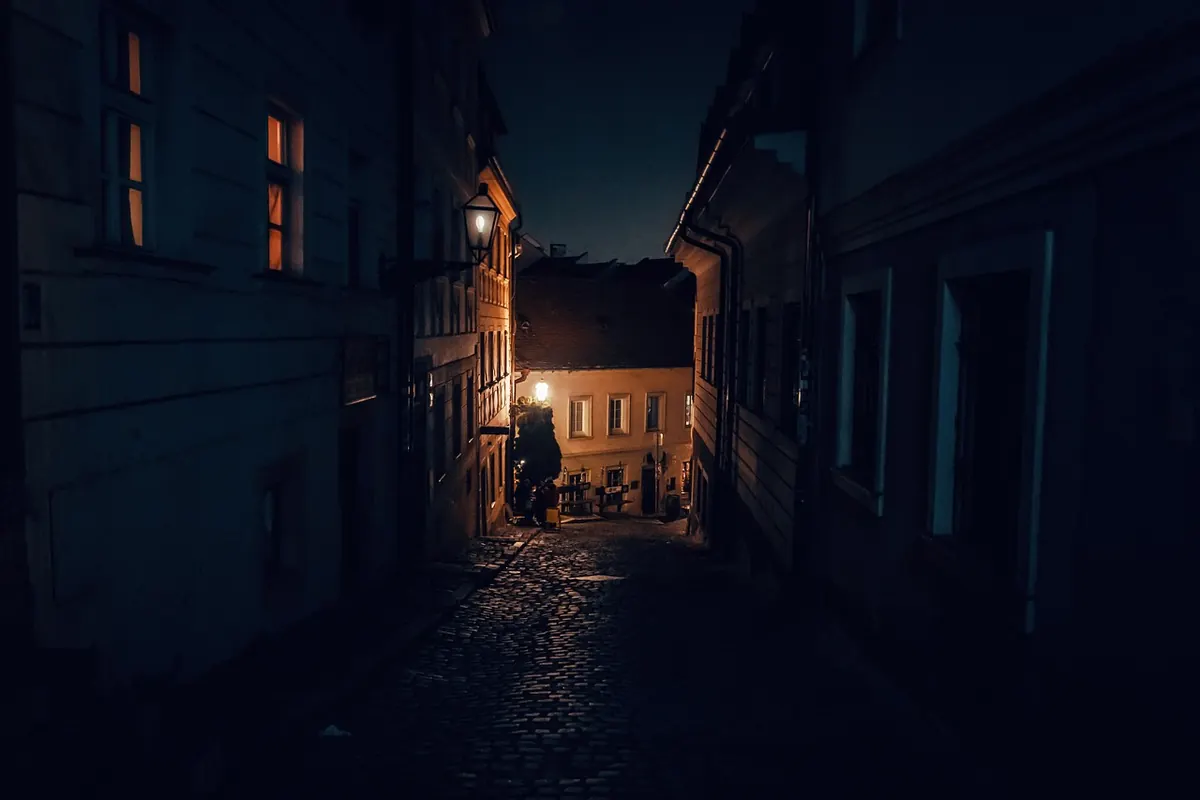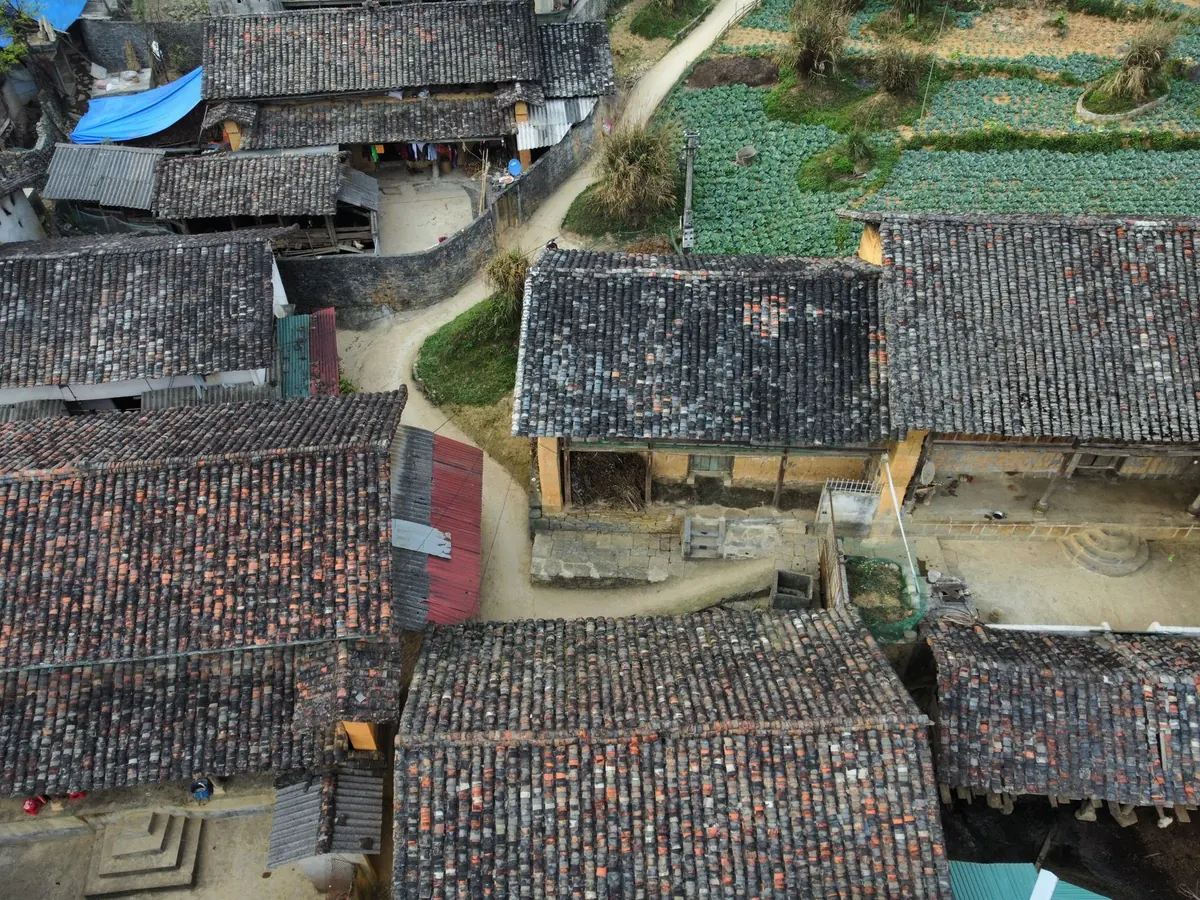
A temple can be restored stone by stone. A market hall can be rebuilt. But a fishing cooperative that reads the tide by the smell of the wind, a festival that exists only because three hundred families keep showing up, a language sung by four remaining grandmothers — none of that comes back from photographs. This is the line travelers keep bumping into without naming it: some places are heritage sites, and some are living cultural landscapes. Knowing which one you're standing in changes what you should expect, what you should pay for, and how you should behave.
The Distinction, Stated Plainly
Heritage sites are places set aside. A boundary gets drawn, a period gets chosen, a conservation plan gets written. The primary job is to hold something still enough for the future to see it. Living cultural landscapes are the opposite: the boundary is porous, the period is now, and the conservation plan — if there is one — has to accommodate people who need to earn a living, raise children, and argue about parking.
The confusion is understandable, because the two categories overlap. The World Heritage list includes "cultural landscapes," such as the rice terraces of the Philippine Cordilleras, inscribed precisely because people still farm them. A place can be protected and inhabited at once. But the experience of each is different, and mistaking one for the other is where disappointment and friction begin.
What a Heritage Site Is Built to Do
Think of Angkor in Cambodia, Petra in Jordan, Pompeii, Stonehenge. These places do something valuable and difficult: they make the past legible. Pathways route you past the fragile parts. Interpretation panels explain what you're looking at. Guards, ticketing, drainage and lighting all exist so that a ruin survives a few million pairs of shoes.
The trade-off is that a heritage site is, by design, no longer functioning as what it once was. Nobody is trading spices in the middle of Pompeii. That isn't a failure; it's the whole point. But it means the visit is a reading experience more than a social one. You're looking at a text, carefully preserved, with the audience held at a distance.
The practical upside
Heritage sites are usually easier to visit well. Opening hours are published, guides are licensed, the story is coherent, and there is often at least some provision for visitors with mobility needs. If you want to understand a civilization in a single afternoon, this is the format built for it.
What a Living Landscape Actually Feels Like
Now go to the Ifugao terraces and watch a farmer repair a wall with a hoe and a great deal of patience. Or sit in a Siena contrada in the weeks before the Palio, when a neighborhood of a few hundred people quietly organizes itself around a horse race that has run for centuries. Or walk through the medina of Fez, where the tanneries still stink and dyers still climb down into the vats.
These places are not performing history. They are continuing it, which means they are messy. You'll find scaffolding, satellite dishes, bored teenagers, and a shop selling plastic buckets next to one selling hand-beaten copper. The tradition is real, and so is the fact that it is changing. That mess is evidence of life, not a flaw in the presentation.
There is also a rhythm you cannot buy a ticket for. Morning markets that dissolve by ten. A festival whose date follows the liturgical calendar. A bakery that closes for the harvest. Living landscapes keep time by something other than the visitor's itinerary, and that is exactly what makes them worth rearranging your own.
Where the Two Collide
Most of the trouble in travel happens at the seam. A working neighborhood becomes famous, and the working part gets squeezed. Some alleys in Kyoto's geisha districts have been closed to casual through-traffic and photography after residents complained about being treated as scenery. Venice has experimented with charging day visitors an entry fee. These are not abstract debates; they are the sound of a living place pushing back against being treated as a heritage site.
There is a second collision: an audience can keep a tradition alive, or hollow it out. Buy a mask from the family that carves it and you help fund an apprenticeship. Turn a funeral rite into a photo opportunity and you get a performance staged for lenses. Both outcomes are real, and the difference usually comes down to who is paying whom, and for what.
If a ritual has started to happen only when the buses arrive, somebody made a decision. Find out who.
Five Signals to Read Before You Judge a Place
You don't need weeks of research. A few minutes of attention will tell you which kind of place you're in.
- Who is doing the work. Are the people in front of you residents with a stake in the place, or employees commuting in? Both are legitimate; only one is a living landscape.
- What happens at closing time. If a gate shuts and everyone leaves, it's a site. If the square fills with kids playing after the day-trippers go, you're in a neighborhood.
- Where the objects come from. Ask, plainly, who made a thing and where. A workshop in the back is a good sign; a shipping box with a distant return address is not.
- Whether the season matters. Living places have an off-season you can visit and a festival you cannot fake. Heritage sites look much the same in February as in July.
- How people react to a camera. Tolerated, welcomed, or clearly unwelcome — the answer is information, not rudeness.
How to Be a Good Guest in a Place People Still Use
Ask first, especially before photographing faces, homes or ceremonies. "May I?" is short and works in most languages; a smile and a gesture covers the rest. If you're refused, take it gracefully — you have still learned something true about the place.
Spend where it stays. A night in a locally owned guesthouse, a meal in a family restaurant, a half-day with a guide who grew up there, a workshop where you make the thing badly and pay for the lesson. This isn't charity; it's just routing your money to the people whose labor you came to see.
Respect the ordinary. If you wouldn't photograph a stranger's laundry in your own city, don't do it abroad. Dress to the standard the place asks for, keep your voice at the level of the room, and don't wander into doorways for a better angle.
Go for longer, or go off-peak. Two slow days in one neighborhood will teach you more about a living culture than five rushed days across five famous sites, and they take pressure off the places struggling under daily crowds.
Four Questions Before You Book
None of this argues against heritage sites. A well-run monument is one of the great bargains of travel: for the price of a ticket you get to stand inside a thousand years. The point is to know what you're buying.
- Am I going to see something, or to be somewhere? A site is for seeing. A landscape is for being — slowly, repeatedly, with attention to the ordinary.
- Does my money land locally? Check where you sleep, eat and hire. Three small changes usually do more than one expensive gesture.
- Have I checked whether visitors are welcome right now? Some communities limit numbers or restrict photography during certain ceremonies, and those rules change.
- What is my behavior in a place that wasn't designed for me? If you can't answer that before you go, the trip will teach you, and the lesson may be uncomfortable.
The best travel goes to both kinds of places and treats them differently. Look hard at what was preserved. Then put the camera down and let a living place get on with its day, with you quietly included.
Photo: Duc Nguyen / Pexels